If you are choosing an origin for an olive oil listing, the case for Tunisia is no longer sentimental. It is arithmetic.
Scale that is real
Tunisia carries roughly 82 million olive trees across 1.84 million hectares — close to a third of the country’s arable land. In the 2025/26 campaign the country produced around 500,000 tonnes of olive oil, moving past Türkiye, Italy and Greece into second place worldwide, behind Spain alone.
Exports over the first nine months of that campaign reached 368,000 tonnes, up 55 % year on year, worth about USD 1.6 billion. The European Union took 57 % of it and North America 24 %.
Quality, not just volume
Extra virgin made up 83.6 % of those shipments — this is not a bulk-lampante story any more. Tunisia also holds the largest certified organic olive area in the world, at roughly 144,000 hectares, which makes a genuine organic line available rather than aspirational.
Two thousand years of practice
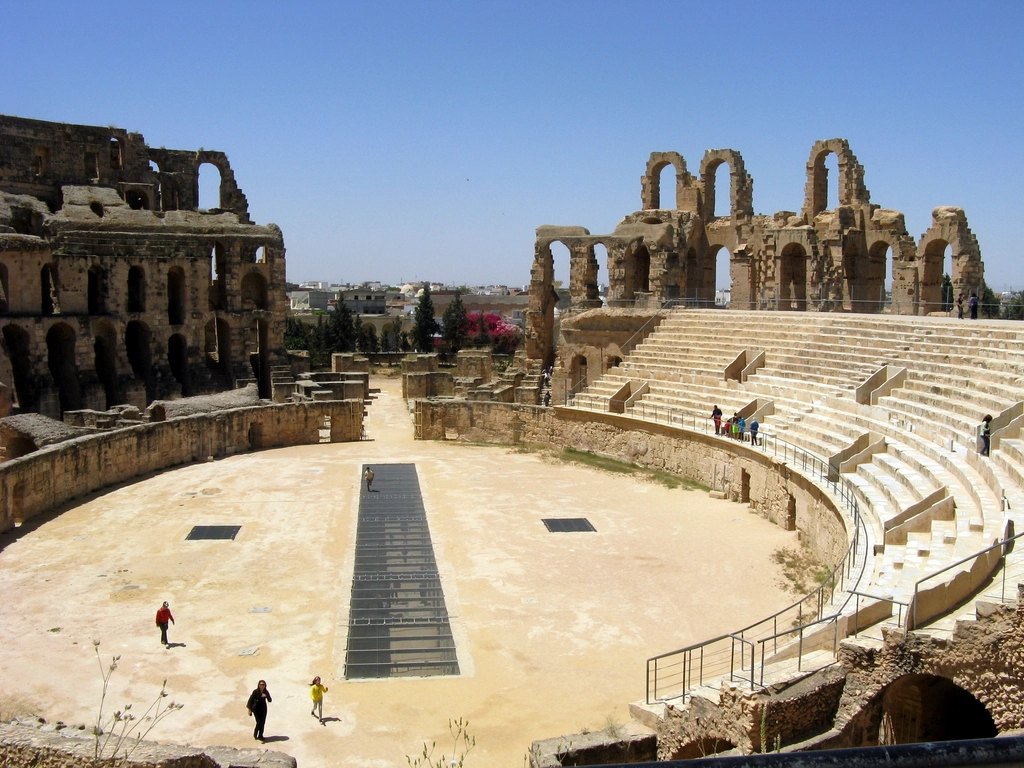
The Romans built El Jem on olive money. Presses from that period are still standing in the Sahel. This is not a country that recently discovered the crop — it is one where the knowledge never left, and where dry-farmed groves have been managed through drought for a very long time.
The commercial position
- Price — consistently below the classic European origins at comparable quality
- Logistics — Mediterranean ports, short transit to southern Europe
- Trade access — EU association agreement, with EUR.1 available on qualifying shipments
- Story — an origin your customers have not heard a hundred times already
Sector figures above describe Tunisia for the 2025/26 campaign; they are not Elixerra volumes. Tariff-quota and preference rules change — confirm the current position with your customs broker before pricing.
Talk to our export desk
Put the origin to work.
We will prepare a market-specific pack: available profiles, formats, certifications and an indicative landed cost.