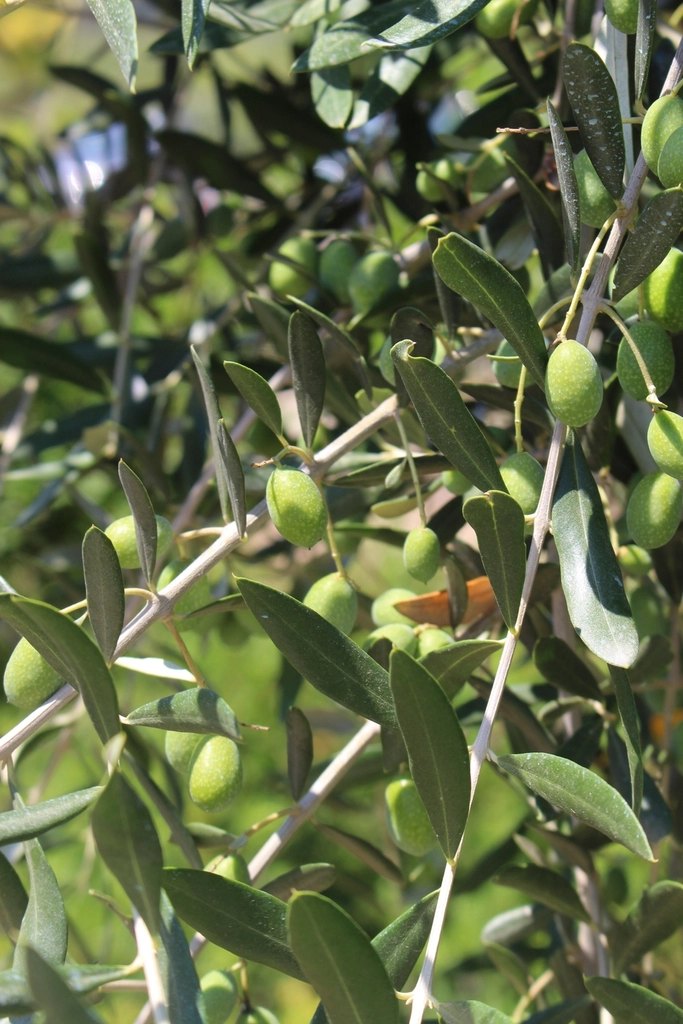
Nine steps separate a tree from a sealed bottle. Each one can only preserve quality or destroy it — none of them can add any.
Parcel selection
Variety, zone, grove condition and distance to the mill are assessed before the season. Fruit is sampled and tasted.
Harvest
Picked at the maturity index set for that profile, into ventilated crates. Never gathered from the ground.
Transport and reception
To the mill the same day, typically within eight hours. Lots are weighed and kept separate on arrival.
Washing and de-leafing
Leaves, twigs and dust removed; fruit washed in clean water. Leaf left in adds a green note but also bitterness that is not from the fruit.
Crushing
The olive — flesh and stone — is crushed into a paste. Hammer or blade mill depending on variety and target profile.
Malaxation below 27 °C
The paste is slowly stirred so oil droplets coalesce. Temperature and time are the two controls, and both are logged.
Separation
A horizontal centrifuge separates oil, water and solids; a vertical centrifuge polishes the oil. No heat, no solvents, no refining.
Storage and rest
Stainless steel, temperature-controlled, nitrogen blanketed, in the dark. Sediment settles out and the oil stabilises.
Analysis, filtration and filling
Chemical and sensory analysis before release. Filtered, then filled, capped, labelled and lot-coded.
The three enemies
Everything above exists to keep an oil away from heat, light and oxygen. That is also the whole of the advice we give your warehouse team: cool, dark, sealed. An oil that was excellent at filling can be ordinary six months later if it is stored above a loading bay in summer.
Talk to our export desk
Want to see the record?
We can walk your quality team through the production and analysis file for any lot we offer.